Food Exports Are Shifting Toward Water and Reliability

The Signal
Global food production is shifting away from long-established exporters constrained by water limits and rising costs toward producers that secured water access and export infrastructure earlier, a trend becoming more visible as climate pressures tighten.
The Intelligence
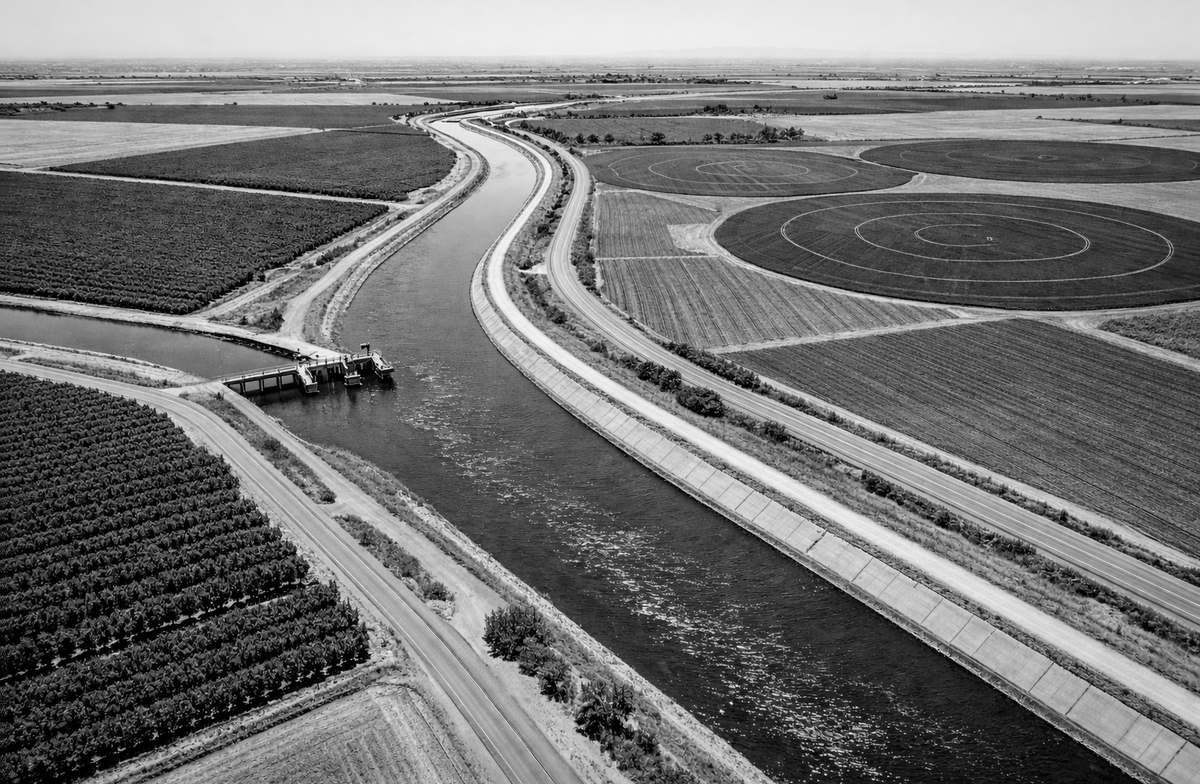
The contrast between California and Peru shows how this change takes shape. California remains one of the world’s most productive agricultural regions, but water restrictions, rising labor costs, and aging infrastructure are narrowing what can be sustained. Over time, significant areas of farmland are expected to leave production, not because of sudden shocks, but because physical limits are becoming harder to work around.
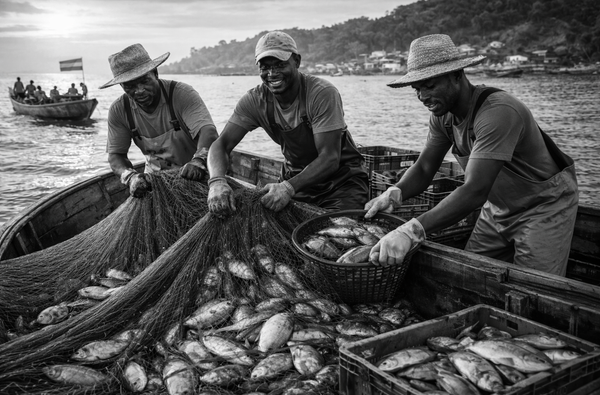
Peru followed a different path. It invested early in irrigation, expanded port capacity, and treated agriculture as a long-term export sector. These choices reduced uncertainty around water and delivery. Lower labor costs and faster shipping reinforced that advantage, making Peru a more dependable supplier as weather variability increases.
This shift is not driven by short-term price swings or yield breakthroughs, but by long-standing choices about water access and delivery reliability.
What matters is timing. For decades, productivity gains offset resource pressure. That buffer is thinning. As climate volatility rises, buyers are placing more weight on reliability than on historical scale. Food production does not disappear under constraint. It shifts toward regions where water, transport, and rules feel predictable enough to plan around.
Why This Matters
- Food trade is re-sorting: Reliability is beginning to matter more than legacy production strength.
- Water limits set output ceilings: Regions without clear groundwater rules face gradual but lasting supply loss.
- Supply chains move early: Buyers adjust sourcing before shortages become visible in prices.
What to Watch
Watch whether major producers facing water stress adopt enforceable groundwater rules over the next two years. Also, monitor whether export-oriented regions continue expanding irrigation and port capacity at current rates.
Decision Implication
This affects policymakers, investors, and buyers deciding where long-term food supply can remain dependable and where reliance may quietly become riskier.
For readers who want deeper system-level analysis, a separate Deep Context note examines the underlying dynamics shaping this shift.